


Meeting with His Highness Sheikh Abdullah bin Zayed Al Nahyan, Minister of Foreign Affairs and International Cooperation of the United Arab Emirates.
March 07, 2018
English

Promoting Africa’s growth and economic development by championing citizen inclusion and increased cooperation and integration of African states.

Promoting Africa’s growth and economic development by championing citizen inclusion and increased cooperation and integration of African states.
Agenda 2063 is the blueprint and master plan for transforming Africa into the global powerhouse of the future. It is the strategic framework for delivering on Africa’s goal for inclusive and sustainable development and is a concrete manifestation of the pan-African drive for unity, self-determination, freedom, progress and collective prosperity pursued under Pan-Africanism and African Renaissance.
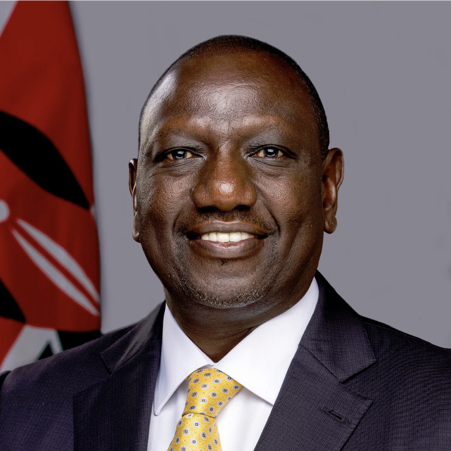
H.E President William Samoei Ruto (PhD), President of the Republic of Kenya and the African Union Champion on Institutional Reform. H.E. Ruto was appointed during the 37th Assembly of Heads of State and Government in February 2024 to champion the AU Institutional Reform process taking over from the H.E Paul Kagame, President of the Republic of Rwanda who led the implementation of the reform process since 2016.



The AU offers exciting opportunities to get involved in determining continental policies and implementing development programmes that impact the lives of African citizens everywhere. Find out more by visiting the links on right.
26 February – 2 March 2018, Rabat, Morocco –The Citizens and Diaspora Directorate (CIDO) organized a visit to Morocco from 26 February – 2 March 2018 where they held meetings with high-level officials and a vast number of civil society organisations. The familiarization visit to Morocco was organized with the aim of sensitizing civil society in Morocco on AU activities, programmes, and organs.
To all African citizens,
To all the women and girls of our continent,
Addis Ababa, 8 March 2018: The 30th Session of the Summit of the African Union, held in January 2018, strengthened our common will resolve to positively transform the lives of the more than 600 million African women and girls living in rural as well as urban areas.
The adoption of a decision on the principle of parity by 2025 in all professional functions in the organs and institutions of our Union represents a major step forward.
Addis Ababa, 8 March 2018: The Chairperson of the African Union Commission, Moussa Faki Mahamat, received the Minister of Foreign Affairs and International Cooperation of the United Arab Emirates, Abdullah bin Zayed Al Nahyan, yesterday.

