








Pan African University Concludes Second International Conference in Tlemcen, Advancing Africa's Sustainability Agenda
Pan African University Concludes Second International Conference in Tlemcen, Advancing Africa's Sustainability Agenda
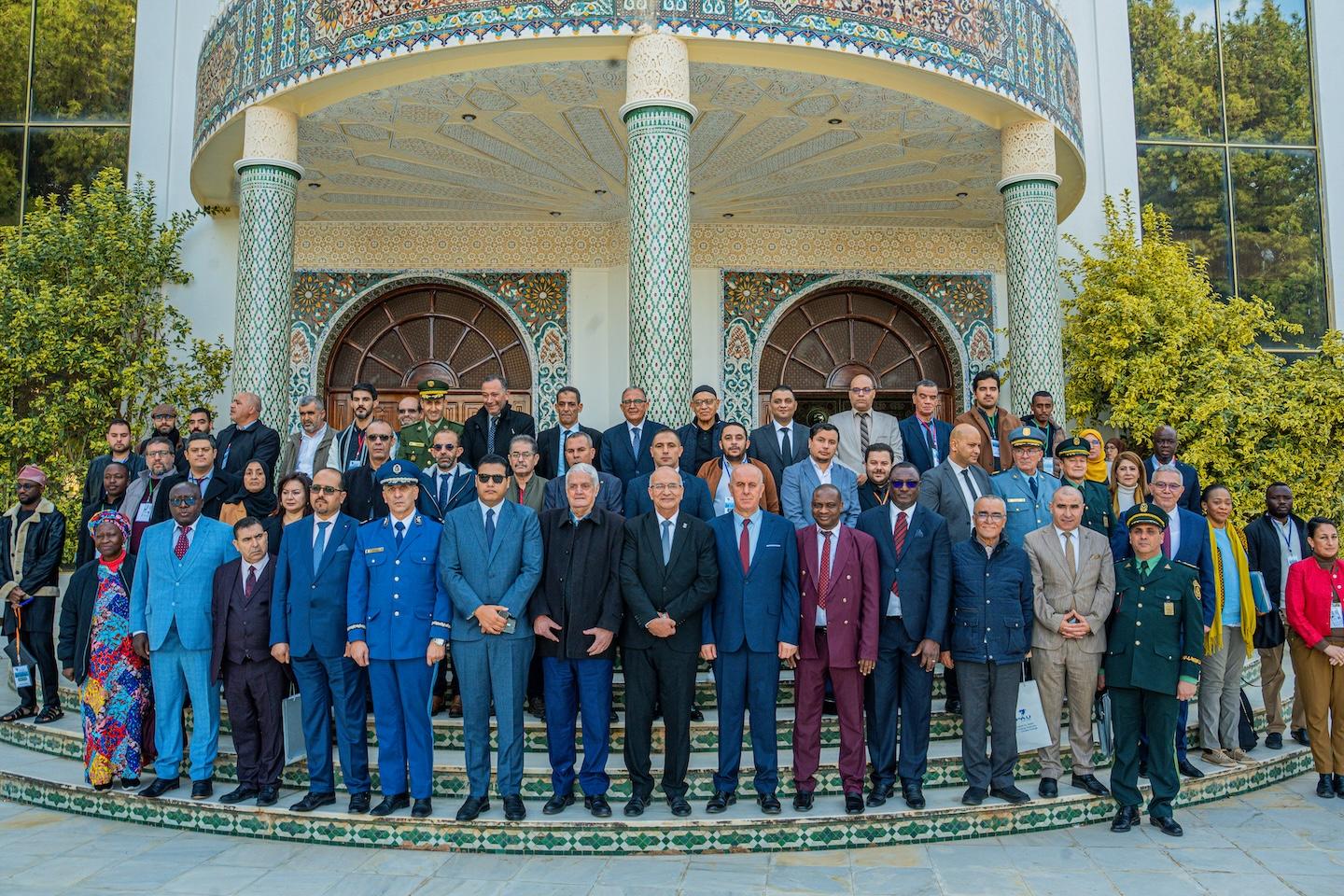
The Pan African University (PAU) concluded its second International Conference on December 2, 2025, at the University of Tlemcen, marking a significant milestone in continental research collaboration and knowledge exchange.
Organized by the Pan African University Institute for Water and Energy Sciences including Climate Change (PAUWES) in partnership with the University of Tlemcen, the conference convened researchers, scholars, and students from across Africa under the theme "Africa's Path to Sustainability: Driving Change Through Knowledge, Policy, and Innovation." Building on the success of PAU's inaugural international conference held in November 2024 at its Life and Earth Sciences Institute in Ibadan, Nigeria, this second edition deepened the commitment to annual knowledge exchange among PAU's network of institutes across the continent.
The two-day event featured presentations across five thematic areas: Water, Sanitation, and Climate Resilience; Blue Economy, Agriculture, and Food Security; Health and Biotechnology; Renewable Energy, Infrastructure, and Digital Transformation; and Governance, Science Diplomacy, and International Cooperation. These themes addressed Africa’s interconnected challenges, including access to basic drinking water for 411 million people and electricity for nearly 600 million.
In his opening address, PAU Rector Prof. Jean Koulidiati highlighted the institution's growing impact since its establishment, noting that PAU has awarded over 2,500 certificates to students from 50 African Union Member States since 2014. His address emphasized the responsibility of PAU graduates to serve as change agents driving Africa's transformation across government ministries, research institutions, and private enterprises, with a focus on African-led solutions to continental challenges.
Reinforcing this institutional vision, Prof. Saidou Madougou, Director of the African Union Commission's Department of Education, Science, Technology and Innovation, addressed the strategic importance of research in achieving Agenda 2063 objectives. His remarks emphasized that science, technology, and innovation serve as practical tools for socio-economic progress, calling on researchers to ensure their work informs continental policies and reaches African communities. This alignment between PAU's academic mission and the AU's development framework was evident throughout the conference proceedings.
The conference featured seven keynote addresses from distinguished scholars representing institutions across Africa and beyond. Prof. Siméon Kenfack of the African Water and Sanitation Association opened the dialogue on water security, followed by presentations from Dr. Daphne Keilmann-Gondhalekar from the Technical University of Munich and Dr. Erik Gankam Tambo from the Pan African Virtual University on renewable energy and digital transformation. Prof. William Hermann Arrey from the Protestant University of Central Africa delivered a keynote on governance and science diplomacy, continuing UPAC's collaborative relationship with PAU institutes. Additional keynotes from Prof. Mokrani Touhami of the University of South Africa and Prof. Mubo A. Sonibare of PAULESI addressed health innovation and biotechnology, demonstrating the breadth of expertise contributing to Africa's knowledge base.
A defining feature of the conference was the Water-Energy-Food-Ecosystems (WEFE) Nexus institutionalization workshop, which reflected the conference's emphasis on integrated approaches to sustainability challenges. This was followed by a round table discussion on the African Continental Free Trade Area, exploring how technical harmonization and research collaboration can support competitive and secure trade across the continent. These sessions demonstrated the conference's commitment to moving beyond isolated disciplinary silos toward holistic solutions.
Since its establishment in 2014 at the University of Tlemcen, PAUWES has graduated over 300 students in specialized programs addressing Africa's water, energy, and climate challenges. In May 2024, the institute celebrated its eighth graduation ceremony, which included the first cohort of 71 graduates from its pioneering Climate Change Engineering program.
The conference proceedings and research presentations will contribute to PAU's ongoing efforts to translate African research into policy recommendations and practical solutions aligned with the African Union's Agenda 2063 development framework.
For further information, please contact:
Ms Claudette Chancelle BILAMPASSI MOUTSATSI | ESTI Department- Pan African University | African Union Commission | E-mail: BilampassiC@africanunion.org | Tel: +251 11 518 2014/ +251 11 5182518
Mr. Gamal Eldin Ahmed A. Karrar | Senior Communication Officer | Information and Communication Directorate, African Union Commission | E-mail: GamalK@africanunion.org

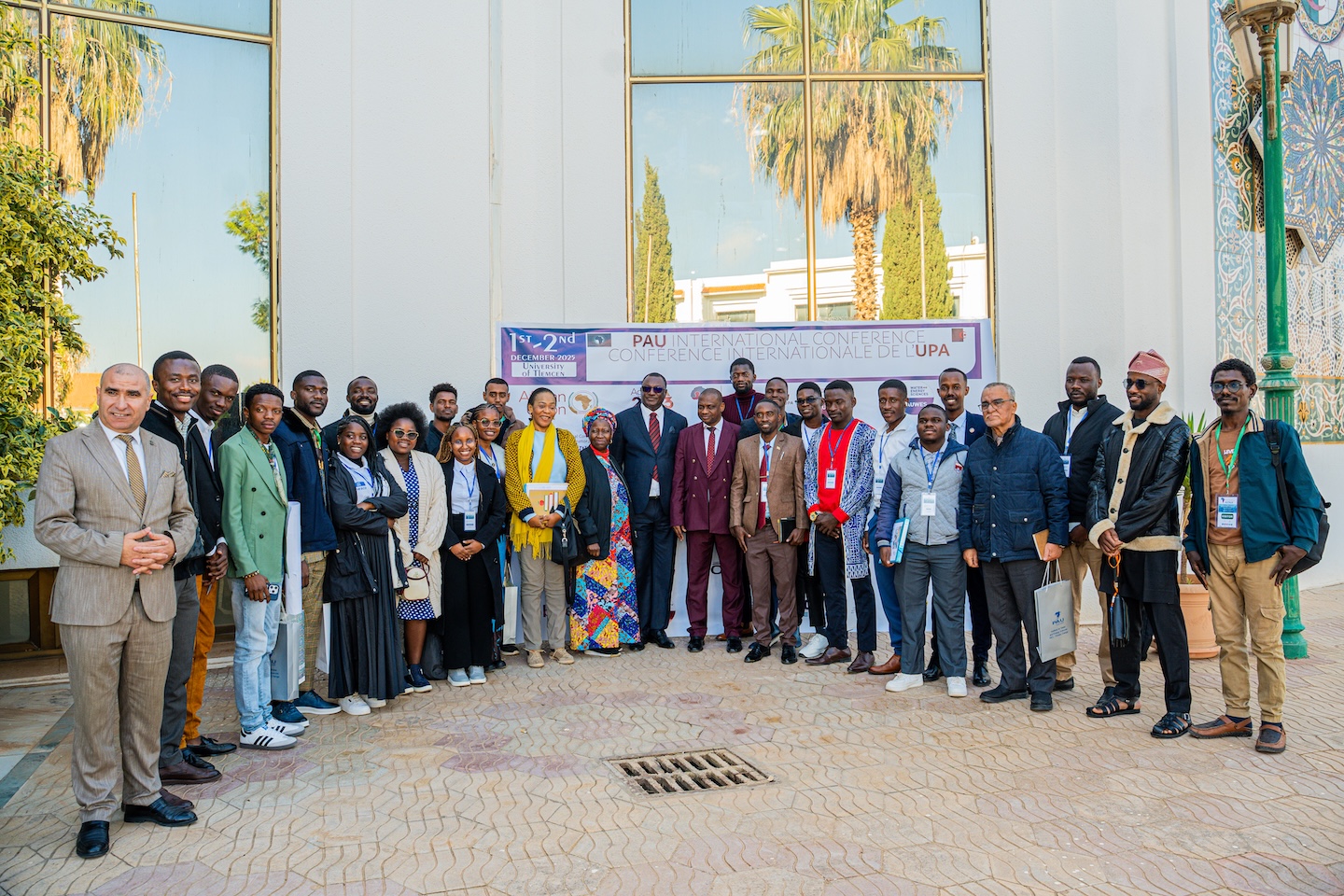
Images
Department Resources
Mapping Exemplars of Good Practice In Foundational Literacy and Numeracy in AU Member States
Science, Technology and Innovation Strategy for Africa STISA 2034
"Driving Africa's Future"
AFRICAN CONTINENTAL TVET STRATEGY 2025-34
Sustainable Development, Social Justice and Employability for All
The African Union Commission (AUC) envisions “an integrated continent that is politically united based on the ideals of Pan Africanism an
Highlights of the cooperation with the GIZ-project “Support to the African Union on Migration and Displacement”
Violent extremism is a global issue.
Agenda 2063 is Africa’s development blueprint to achieve inclusive and sustainable socio-economic development over a 50-year period.
The African Union Commission (AUC), through the Department of Health, Humanitarian Affairs and Social Development, has launched the S
8 YEARS SERVING AFRICA
Leading a Transformative and Impact Oriented Journey