






Official Statement By H.E. Amb. Amma A. Twum-Amoah Commissioner for Health, Humanitarian Affairs and Social Development on the International Migrants Day Commemoration
Official Statement By H.E. Amb. Amma A. Twum-Amoah Commissioner for Health, Humanitarian Affairs and Social Development on the International Migrants Day Commemoration
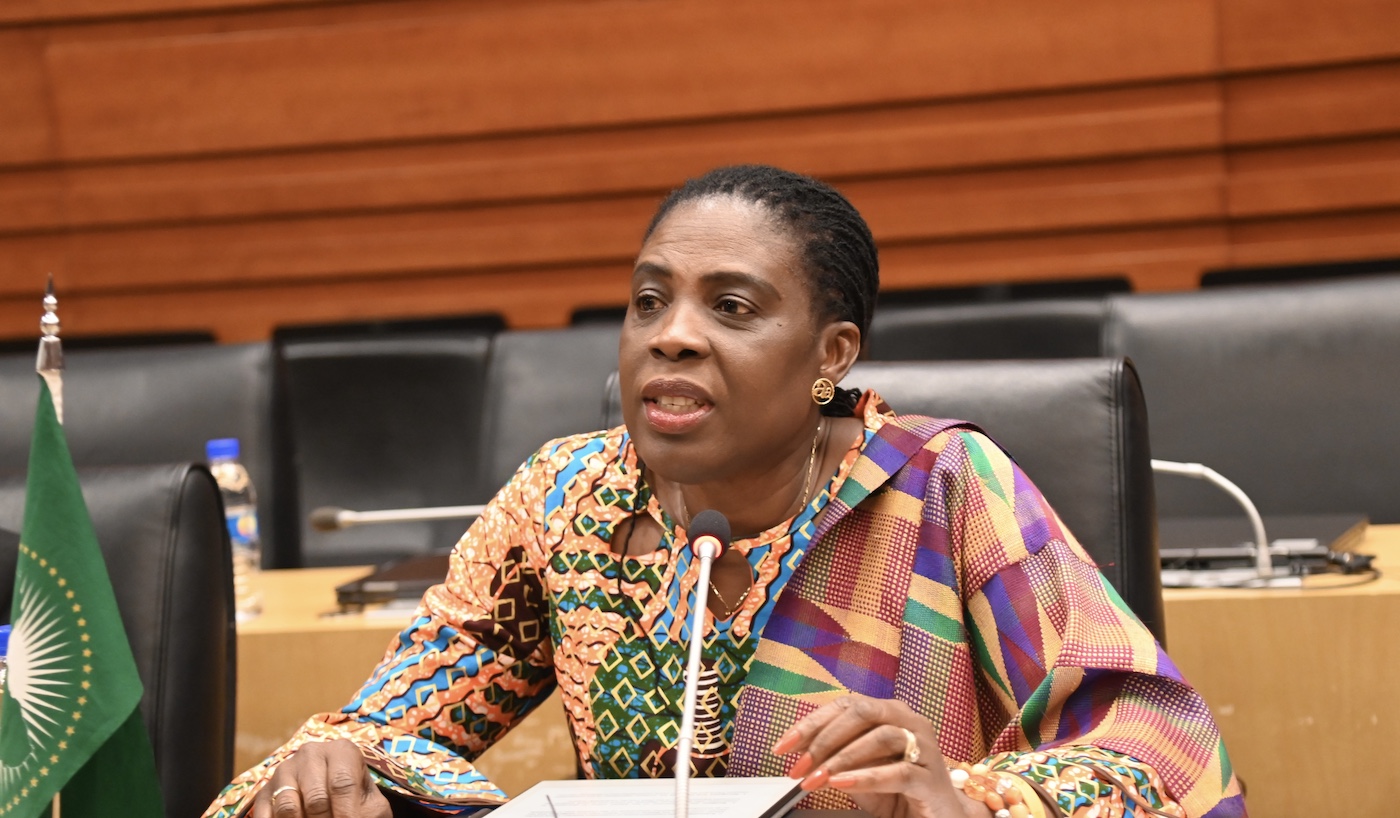

As we commemorate International Migrants Day today, 18th December, we celebrate the enduring spirit, resilience and innovation of migrants across Africa and the world. This annual observance provides an opportunity to recognise the invaluable contributions of migrants to societies globally. This year’s theme “Honouring the Contributions of Migrants and Respecting Their Rights,” underscores Migration as an age-old human phenomenon that has profoundly shaped global socio-economic, culture and political landscape. In Africa, migration as a powerful driver of regional economic integration is deeply woven into the fabric of our historical development, an enduring legacy of which we are justifiably proud.
Across the continent, migrants have long contributed to the dynamism of our cities, industries and communities, and the same holds true for nations beyond Africa’s shores. Research indicates that nearly 80 per cent of African migration is intra-African, stimulating local economies, strengthening labour markets, facilitating skills and knowledge transfer, and fostering innovation. Through the implementation of the Migration Policy Framework for Africa (MPFA), the African Union has taken decisive steps to position human mobility as a cornerstone of accelerated development, in alignment with Agenda 2063, its Second Ten-Year Implementation Plan (STYIP) and the Global Compact for Migration (GCM), which affirms migration as a human reality that must be governed with respect for human rights.
At the heart of the African Union’s vision lies an unwavering commitment to human rights. Every migrant, regardless of status, is entitled to respect, protection, dignity and access to essential social services, including quality healthcare, justice and economic opportunities. This commitment is reflected in the African Union’s 2025 Theme of the Year, which calls for reparations for historical and contemporary injustices linked to migration and experienced by people of African descent. We, therefore, urge all countries to intensify efforts to combat exploitation, discrimination, trafficking in persons and the smuggling of migrants, and to ensure that policies, frameworks and legal instruments effectively safeguard the most vulnerable, including women, children and older persons.
The African Union continues to prioritise dignity in migration governance, leading advocacy for safe, orderly and regular migration. Africa is charting a new path, one in which the continent leads its own migration agenda, grounded in its unique realities,
capacities and aspirations. This approach resonates strongly with this year’s International Migrants Day theme, recognising that migrants’ financial and non-financial remittances, diaspora investments, skills transfer, political participation, geo-economic engagement and community development have shaped global development architectures in diverse and lasting ways. It is, therefore, the clarion call of the African Union to its Member States and the international community to recognise, appreciate, honour and celebrate the contributions of African migrants worldwide.
On this International Migrants Day, the African Union reaffirms its commitment to honouring the contributions of migrants, upholding their rights and dignity and advancing a vision of migration for development that is inclusive, empowering and transformative. Building a stronger, more prosperous and more resilient Africa, where mobility is embraced, rights are protected and every migrant is recognised as a catalyst for progress, remains our core focus.
I thank you!
Topic Resources
Agenda 2063 is Africa’s development blueprint to achieve inclusive and sustainable socio-economic development over a 50-year period.