








Keynote Statement by H.E. Amb. Amma Twum-Amoah, AUC Commissioner HHS, at One Health Summit
Keynote Statement by H.E. Amb. Amma Twum-Amoah, AUC Commissioner HHS, at One Health Summit
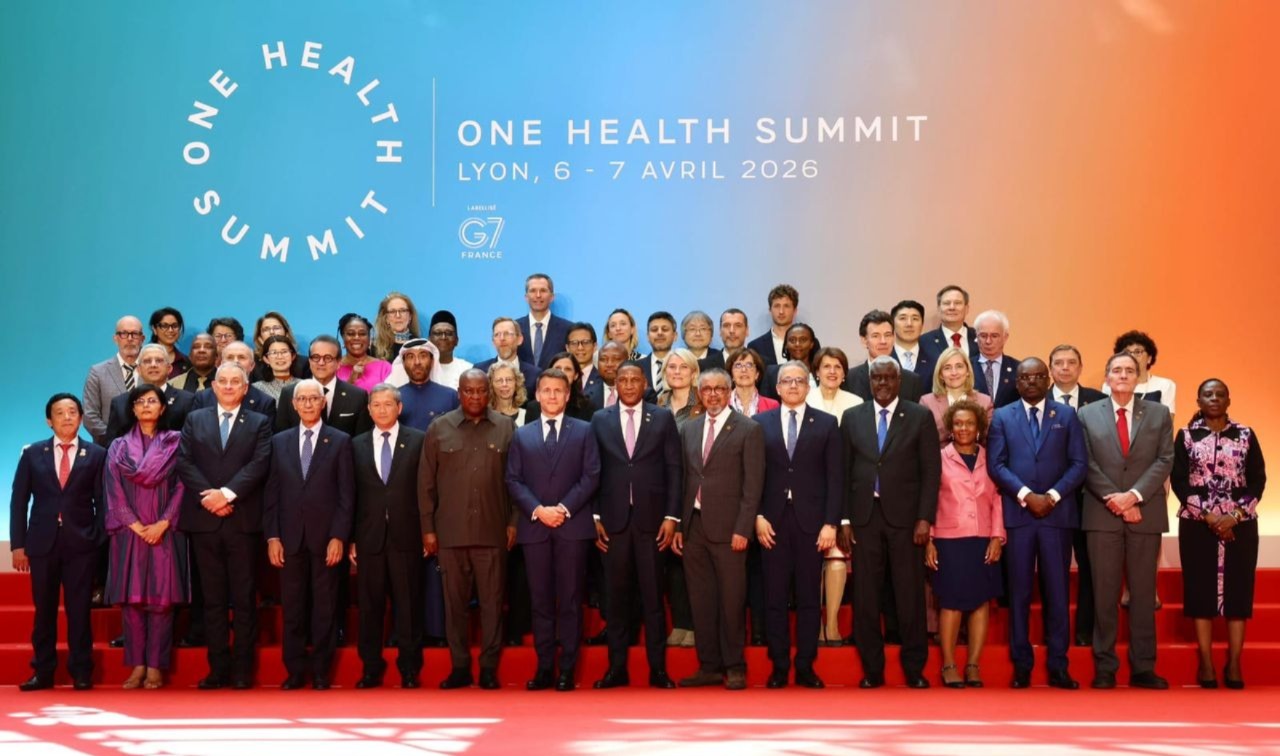

Round Table: “Innovative experiences supporting the transformation of food systems through the One Health Approach”
7 April 2026|Lyon, France
MINISTER DELEGATE TO THE MINISTER FOR EUROPE AND FOREIGN AFFAIRS, RESPONSIBLE FOR FRANCOPHONE, INTERNATIONAL PARTNERSHIPS AND FREANCH NATIONALS ABROAD,
MY FELLOW SPEAKERS,
DISTINQUISHED REPRESENTATIVES OF THE AFRICAN UNION MEMBER STATES,
DIPLOMATIC MISSIONS, INTERNATIONAL AND CIVIL SOCIETY ORGANIZATIONS
DISTINGUISHED GUESTS, LADIES AND GENTLEMEN.
Good morning to everyone present here today.
It is an honour and privilege for me to participate in this important event and to deliver a statement on behalf of the African Union Commission as we deliberate on our common goal: “Leveraging One Health for Sustainable Food Systems Transformation.”
Ending hunger and malnutrition lies at the very heart of Agenda 2063: The Africa We Want, our continental vision for an integrated, prosperous and peaceful Africa where our people thrive in good health and are free from the burdens of malnutrition in all its forms.
Yet today, this aspiration continues to face serious challenges.
The lingering effects of the COVID-19 pandemic, rising food prices, climate variability, economic pressures and conflicts have intensified food insecurity across our continent. Millions of Africans remain vulnerable to hunger and malnutrition.
Globally, food systems are failing on multiple fronts. While sufficient calories are produced, nearly one in three people suffers from some form of malnutrition, whether undernutrition, micronutrient deficiency, hidden hunger, or obesity-related disease.
Food production is also a major driver of biodiversity loss, deforestation and greenhouse gas emissions. At the same time, it creates conditions for pathogens to move between animals, humans and ecosystems. Fragmented policies and siloed institutions mean that human health, animal health and environmental protection are often managed separately, and the cost of this fragmentation is increasingly visible.
Today:
- Over 735 million people globally face food insecurity, including about 320 million in Africa;
- Nearly 60 million African children under five suffer from stunting, while 12 million suffer from wasting;
- Poor diets contribute to nearly 20 percent of premature mortality worldwide, and three billion people cannot afford a healthy diet; and
- Over 75 percent of emerging infectious diseases in humans originate in animals, with climate change further amplifying these risks.
Food systems sit at the intersection of these challenges. They can be a source of risk, through unsafe practices, antimicrobial misuse and environmental degradation. But they can also be a powerful source of solutions.
If we address these challenges in isolation, we will fall short. But by embracing the One Health approach, we can transform food systems into engines of resilience, equity and sustainability.
One Health is often associated with pandemic preparedness, but it is far more than that. It is a practical framework for designing food systems that protect human health, animal health and the environment simultaneously.
Across Africa, we already see promising examples:
- In Rwanda, livestock vaccination campaigns have reduced brucellosis in both cattle and humans, improving milk safety and farmer livelihoods.
- In Ethiopia, a national One Health task force is coordinating ministries of health, agriculture and environment to address zoonotic diseases and food safety challenges.
Across regions, improved antimicrobial stewardship in livestock production, agro-ecological farming practices, and integrated surveillance systems are strengthening resilience while protecting public health.
Recognising these challenges is only the first step. What matters most is the action we take.
First, we must strengthen governance and policy coherence. Ministries and agencies must move beyond siloed approaches toward integrated food system strategies and shared accountability.
Second, we must transform production and supply chains by improving animal health practices, reducing unnecessary antibiotic use, restoring degraded landscapes and strengthening value chains for nutritious and sustainable foods.
Third, we must strengthen surveillance systems and community engagement, ensuring early detection and coordinated responses across humans, animals and ecosystems.
In this regard, the African Union Commission continues to support Member States through key continental frameworks, including the Africa Regional Nutrition Strategy 2026–2035, the Multisectoral Nutrition Policy Framework for Africa, and the Funding Target for Nutrition Investment in Africa.
Distinguished Participants,
With the partnerships represented in this room today, I firmly believe that we can reshape food systems into engines of health, resilience and shared prosperity.
Let us commit to three practical actions:
First, convene cross-sector leadership across health, agriculture and environmental institutions;
Second, pilot integrated food system interventions that measure impacts across human, animal and environmental indicators; and
Third, align financing with measurable co-benefits that deliver health, nutrition and environmental outcomes simultaneously.
If we act together, we can build a healthier and more nourished Africa — one where food systems sustain livelihoods, protect ecosystems and improve the well-being of our people.
Because safeguarding One Health ultimately means safeguarding our shared future.
I thank you for your attention.
Ressources
Agenda 2063 is Africa’s development blueprint to achieve inclusive and sustainable socio-economic development over a 50-year period.
The African Union Commission (AUC), through the Department of Health, Humanitarian Affairs and Social Development, has launched the S
8 YEARS SERVING AFRICA
Leading a Transformative and Impact Oriented Journey