




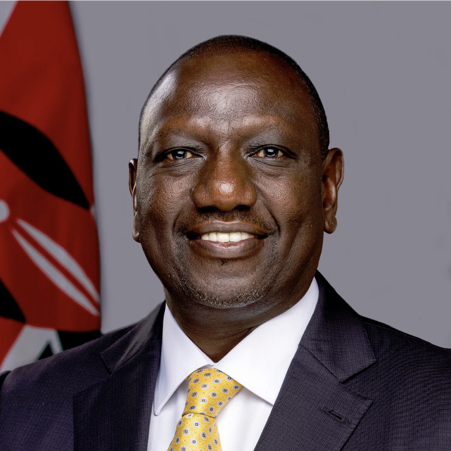



Statement by H. E. Dr Monique Nsanzabaganwa Deputy Chairperson of the African Union Commission
Statement by H. E. Dr Monique Nsanzabaganwa Deputy Chairperson of the African Union Commission
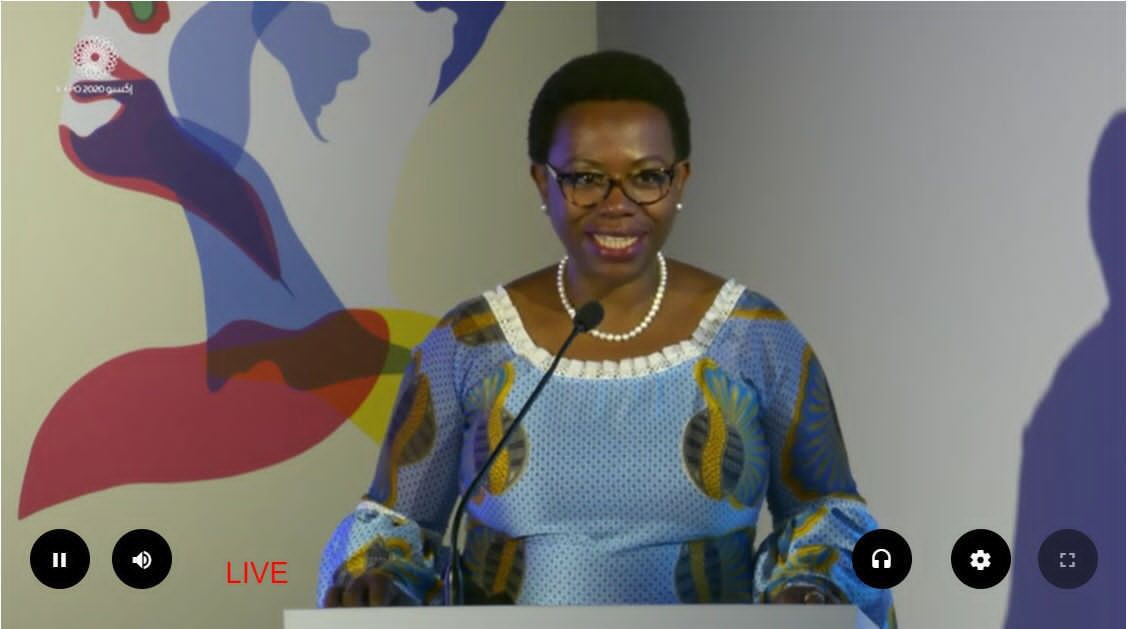

Africa-wide Consultations for the 66th Session for the Commission on the Status of Women (CSW66) - Ministerial Segment
Theme: Achieving Gender Equality and the Empowerment of all Women and Girls in the Context of Climate Change, Environmental and Disaster Risk Reduction Policies and Programmes
28 February 2022
11.00hrs EAT
Our host, H.E. President Sahle-Work Zewde, The President of the Federal Democratic Republic of Ethiopia
Hon. Madame Ergogie Tesfaye, Minister of Women and Social Affairs of the Federal Republic of Ethiopia
Your Excellencies, Ministers of Women and Gender
Representatives from UN Agencies
Representatives of the Regional Economic Communities
Technical Experts and Representatives of Civil Society
Distinguished Guests, Ladies and Gentlemen
• It is indeed an honour to address this Africa regional consultation in preparation for the 66th Session of the Commission on the Status of Women, to be held under the priority theme ‘Achieving Gender Equality and the Empowerment of all Women and Girls in the Context of Climate Change, Environmental and Disaster Risk Reduction Policies and Programmes’.
• I wish to start by commending the hard work and dedication of our Experts, who last week thoroughly interrogated the theme, and developed proposed key messages for Africa.
• These consultations ahead of global meetings are critical, because they give us an opportunity to collectively consolidate our common position. To this end, we shall continue to speak with one voice and unity of purpose in advancing our position and the interests of women and girls on the continent on climate change, environmental degradation, disaster risks, ocean and related maritime challenges.
Excellencies, Ladies and Gentlemen
• It is a known secret that climate change and environmental crises are key defining challenges of this generation and this region. These manifest differently across the continent, nations, communities and various social groups.
• Between 2013 and 2019 Africa suffered severe droughts and cyclones across the Sahel, the Horn of Africa and Southern Africa. Close to 75,000 pregnant women were left vulnerable owing to a lack of reproductive health services, sanitation and clean water. About 7,000 pregnant women were said to be at risk of experiencing life-threatening complications.
• The COVID-19 pandemic has shown how vulnerable and exposed the continent is to global threats. In addition to the tragic toll of illness and death, economies have been hit hard. The pandemic has shown us how important it is to empower local economies to be climate resilient.
• It has been proven beyond reasonable doubt that women and girls constitute the majority of the worst impacted by the effects of climate change and environmental degradation.
• Poverty, inequality and climate change are intrinsically linked. Gender disparities in ownership and access to resources (such as land, credit and technology), coupled with sociocultural barriers, impoverish women and increase their exposure to climatic risk. Because women’s livelihoods tend to be climate-sensitive, climate change endangers their lives more than it does men’s.
Excellencies, Ladies and Gentlemen
• I would like to leave you with two thoughts:
1. Gender equality is a fundamental human right – it is also ‘smart economics’. An increasing body of evidence shows that gender equality and women’s empowerment would yield greater returns to economic growth, and, more broadly, to sustainable development. Thus, it follows that “incorporating gender awareness and gender criteria into climate financing mechanisms and strategies would likewise constitute ‘smart climate finance.’
2. All stakeholders and policy makers need to take urgent action and direct their resources to removing barriers faced by women in accessing social and economic capital, productive resources, information, skills and technology – all of which are vital in shaping and determining their ability to respond to climate change.
• In conclusion, the African Union Commission remains committed to working in partnership with you to achieve Gender Equality. We have a responsibility to secure and deliver a healthy and sustainable future for our women and girls.
• I wish you a fruitful discussions and engagement in the CSW66. I declare the meeting officially open.
I thank you.
Ressources
Agenda 2063 is Africa’s development blueprint to achieve inclusive and sustainable socio-economic development over a 50-year period.
The African Union Commission (AUC), through the Department of Health, Humanitarian Affairs and Social Development, has launched the S